


%204K%20AMS%20SURVEYS%20LOGO.png)

LEADING YOUR PROJECT TO SUCCESS

Project Overview
This commission involved the preparation of a Level 3 Historic Building Record at Dalston Hall, a Grade II* listed fortified country house near Carlisle. The instruction was made in connection with Listed Building Consent for internal alterations to the east wing of the property, now operating as a hotel and wedding venue.
The purpose of the visit was to create a permanent record of the historic fabric affected by the approved works, in accordance with Historic England guidance. The survey focused primarily on the eastern service wing, while also placing the structure within its wider architectural and historical context.

Dalston Hall has origins in the late 15th century, centred around its defensive Pele tower constructed by the Dalston family. Over the following centuries, the building evolved from a fortified residence into a baronial hall and later a substantial country home, reflecting changing social and political climates in the border region.
Successive phases of alteration, particularly in the 17th, 19th and early 20th centuries, introduced additional wings, service areas and Victorian remodelling. The eastern wing illustrates this layered development clearly, with evidence of 1899 refurbishment works, 1919 structural alterations, and mid-20th century adaptation for institutional use.
The property remains a rare and tangible example of domestic architectural progression over more than 500 years.
Historic Significance
A detailed on-site inspection was undertaken, including photographic recording and measured review of the affected areas. Attention was given to construction materials, architectural detailing, roof forms, window types and evidence of historic alteration.
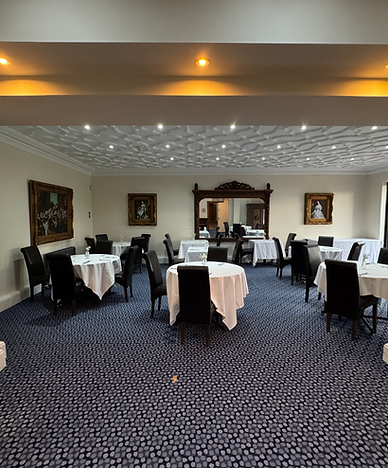
Internally, the survey assessed the former service courtyard, dining space, corridors and ancillary rooms to identify surviving historic elements and distinguish them from later insertions. Externally, masonry, fenestration, roof structures and parapet details were examined to understand phasing and fabric retention.
The record was compiled in accordance with Level 3 standards to ensure a comprehensive archive prior to alteration.

Survey Scope & Methodology

The completed Historic Building Record provides a structured and lasting account of the east wing’s development and significance. It ensures that any changes are documented responsibly, preserving knowledge of the building’s architectural evolution.
Projects of this nature demonstrate the importance of balancing modern functionality with conservation principles, allowing historic assets to remain viable while respecting their heritage value for future generations.
WORKING WITH


REGULATED AND PARTNERED WITH


