


%204K%20AMS%20SURVEYS%20LOGO.png)

HERITAGE CONSULTANTS
LISTED BUILDING SURVEYORS & ENGINEERS
H|
Preserving the past while enabling sensitive development
AMS Surveys offers specialist heritage consultancy services for owners, developers, architects, and planners working with listed buildings and heritage assets. Whether you're applying for planning permission, managing a restoration, or maintaining a historic property, our Heritage Building Consultants provide expert guidance at every stage.
Our services ensure compliance with heritage regulations, support planning applications, and help you navigate the complexities of working with historic structures across England and Wales.
THE CHOSEN SPECIALIST LISTED BUILDING SURVEYORS





.png)
SPECIALIST HERITAGE CONSULTANCY FOR HISTORIC AND LISTED BUILDINGS
Historic buildings require a different approach.
Materials, construction methods and patterns of deterioration can be fundamentally different from those encountered in modern buildings. Repairs or alterations that would be appropriate to a contemporary property can cause damage when applied indiscriminately to traditional construction.
Our Heritage Consultants combine an understanding of historic significance with technical knowledge of the building itself.
We advise on Grade I, Grade II* and Grade II listed buildings, buildings within Conservation Areas, locally listed buildings and other designated and non-designated heritage assets.
Whether you are purchasing a historic property, planning alterations, investigating deterioration or preparing a planning application, our role is to understand what makes the building significant and develop practical solutions that protect that significance while allowing the building to remain viable and useful.
WHEN SHOULD YOU APPOINT A HERITAGE CONSULTANT?
The earlier heritage considerations are understood, the easier it is to make informed decisions about a historic building.
You may benefit from specialist heritage advice if you are:
-
Purchasing a listed or historic property
-
Altering, extending or converting a listed building
-
Planning refurbishment or restoration
-
Repairing traditional masonry, timber, roofs or historic finishes
-
Investigating damp, decay or structural movement
-
Preparing a Listed Building Consent application
-
Developing proposals affecting a Conservation Area
-
Preparing a Heritage Statement or Heritage Impact Assessment
-
Responding to comments from a Conservation Officer
-
Discharging a heritage-related planning condition
-
Required to undertake Historic Building Recording
-
Considering adaptive reuse or a change of use
-
Developing land or buildings within the setting of a heritage asset
-
Dealing with previous or potentially unauthorised alterations
Engaging appropriate expertise early can identify potential constraints before significant time and money are committed to a proposal.
HERITAGE EXPERTISE UNDER ONE ROOF
Historic buildings rarely fit neatly within a single professional discipline.
A project may begin with a Heritage Statement but subsequently require a building survey, structural investigation, measured drawings, repair specification or professional management of the works.
AMS SURVEYS brings these disciplines together within one building consultancy.
HERITAGE & CONSERVATION
Heritage Statements, significance assessments, Heritage Impact Assessments, Historic Building Recording and conservation advice help establish what is important about a building and how proposed change may affect its significance.
HISTORIC BUILDING SURVEYING
Our Chartered Building Surveyors assess the historic fabric, construction, condition, and defects, providing professional advice informed by an understanding of traditional buildings rather than indiscriminately applying modern construction principles.
BUILDING ENGINEERING & STRUCTURAL INVESTIGATION
Where cracking, movement or structural deterioration is identified, technical investigation can establish the nature and significance of the problem and inform an appropriate intervention.
ARCHITECTURAL & TECHNICAL DESIGN
For alteration, repair and refurbishment projects, our wider team can assist in developing practical proposals and technical information appropriate to the existing building.
MEASURED BUILDING SURVEYS
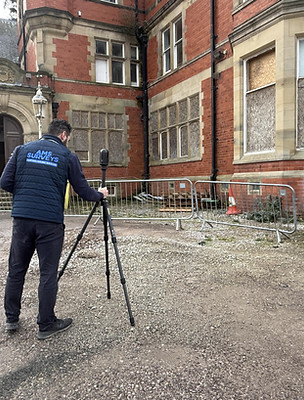
Accurate floor plans, elevations, sections and digital survey information can provide the existing-building record required by architects, designers, planning consultants and conservation professionals.
PROJECT & CONTRACT SERVICES
Where proposals progress into construction, AMS SURVEYS can assist with repair specifications, tendering, Contract Administration and project management, maintaining professional continuity from initial investigation through to completion.

HOW OUR HERITAGE CONSULTANTS SUPPORT YOUR PROJECT
1. UNDERSTAND THE BUILDING
We establish the nature of the building, its heritage designation, known history, proposed works and the reason professional advice is required.
2. RESEARCH & SIGNIFICANCE
Where appropriate, we review statutory listings, historic mapping, archive material, previous development and architectural evidence to understand how the building evolved and which elements contribute to its significance.
3. INSPECT & INVESTIGATE
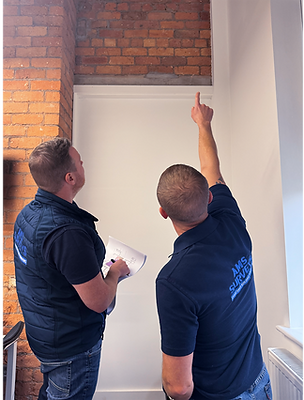
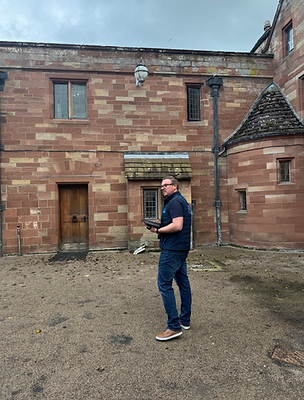
Our surveyors inspect the building and its historic fabric, considering traditional construction, condition, deterioration, previous alterations and building pathology relevant to the commission.
4. DEVELOP THE STRATEGY
We consider how repair, conservation, alteration or development can be achieved while responding appropriately to the significance and physical characteristics of the building.
5. SUPPORT CONSENT
Where statutory consent is required, we can prepare Heritage Statements, Impact Assessments, supporting technical evidence and other heritage documentation required to explain and justify the proposal.
6. DEVELOP THE TECHNICAL SOLUTION
Our multidisciplinary capabilities allow heritage advice to be coordinated with surveying, structural investigation, measured surveys and technical design where these are required.
7. SUPPORT DELIVERY
For appropriate projects, we can continue through specification, tendering, Contract Administration and project management, helping ensure the principles established during the heritage assessment are carried through into the completed works.
WHY SPECIALIST HERITAGE ADVICE MATTERS
PROTECT WHAT MAKES THE BUILDING SIGNIFICANT
Understanding significance helps distinguish the elements of greatest architectural or historic importance from areas where sensitive change may be possible.
REDUCE PLANNING RISK
Identifying heritage considerations early allows proposals to respond to them before substantial resources are committed to design and planning.
AVOID INAPPROPRIATE REPAIRS
Historic buildings can be damaged by modern materials or interventions that prevent traditional construction from functioning as intended.
UNDERSTAND THE CAUSE OF DEFECTS
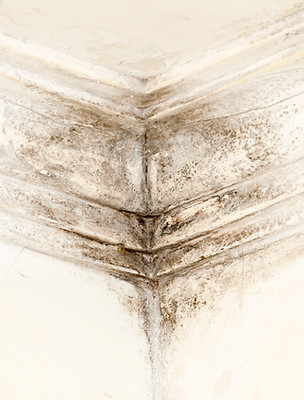
Dampness, cracking and deterioration should be investigated within the context of the building rather than treated simply as isolated symptoms.
ENABLE SENSITIVE CHANGE
Conservation is not about preventing buildings from evolving. Appropriate professional advice can help historic buildings adapt to contemporary requirements while preserving the significance that makes them important.

LISTED BUILDING CONSULTANCY
Owning or developing a listed building brings additional responsibilities, but designation does not mean that a building cannot change.
Successful conservation is often about managing change intelligently.
AMS SURVEYS provides professional advice for Grade I, Grade II* and Grade II listed buildings, as well as Conservation Area properties, locally listed buildings and other heritage assets.
We can help establish the significance of the existing building, identify sensitive and less sensitive areas for change, assess proposed alterations and provide the technical and heritage information needed to support an application for Listed Building Consent.
Routine maintenance and genuinely like-for-like repairs may not require Listed Building Consent. However, whether proposed work constitutes repair or an alteration affecting special interest can depend upon the building, materials and manner in which the work is undertaken. Where there is uncertainty, appropriate professional advice and confirmation from the Local Planning Authority should be obtained before work begins.

THE HERITAGE BLOG


Frequently asked questions

REGULATED AND PARTNERED WITH


