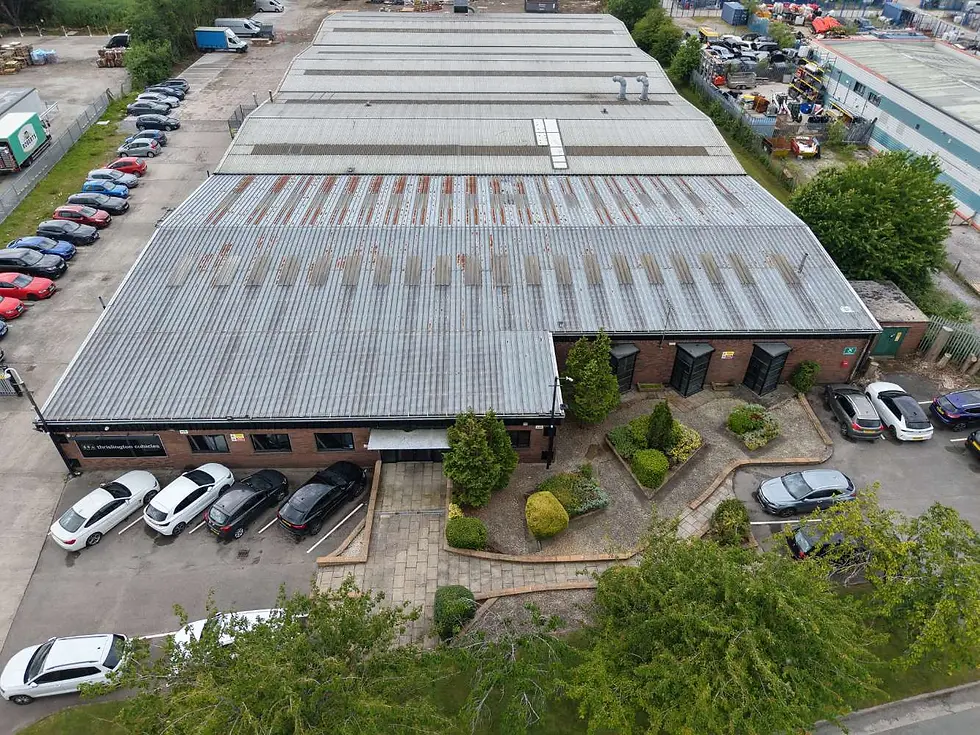
Photographic Schedule of Condition: What Evidence Should the Report Include?

A photographic Schedule of Condition is only as strong as the evidence it preserves. Hundreds of unlabelled images can be less useful than a smaller, systematic record that connects each photograph to a location, building element and written observation. Months or years later, another reader must be able to understand what existed at the inspection date.
The schedule may support a lease, licence for alterations, neighbourly agreement, construction access record or handover. Its purpose and legal context should be agreed before inspection because they determine boundaries, level of detail, issue process and how the final document is incorporated into the relevant agreement.
What a Photographic Schedule of Condition does
A Schedule of Condition survey records the visible condition of the agreed property or works area at a specific date. It creates a baseline against which later change can be assessed. It does not itself rewrite repairing obligations, decide liability or guarantee that every concealed defect has been found.
For a lease, the tenant's solicitor may use the schedule to qualify a repairing covenant. For adjacent construction, it may record the condition of neighbouring walls, finishes and external areas before vibration, access or scaffolding. The surveyor and legal advisers should coordinate so the report covers the correct premises and is used as intended.
Why photographs need written context
A photograph may show a stain, crack or damaged finish, but without a location, orientation and description it may be impossible to prove where it was taken or what was significant. Perspective can hide scale, lighting can change colour and a wide shot can miss local detail. Written observations convert the image from an illustration into an indexed condition record.
Each material defect should be described objectively. Record the element, surface, approximate extent, pattern and visible severity. Avoid unsupported conclusions about cause where diagnosis is not part of the instruction. Terms such as old, historic or harmless should only be used when the evidence supports them.
The evidence checklist
Scope and property identification
State the address, client, inspection date, weather where relevant, survey purpose and defined areas. Include a plan or drawing that identifies boundaries, demised areas, shared parts and exclusions. For multi-let or industrial property, consistent room, grid, elevation or bay references prevent ambiguity.
Systematic photograph sequence
Use establishing images followed by closer views. An elevation photograph shows context; a mid-range image locates the defect; a close image records detail. Photograph numbers should link directly to the schedule. Include scale only where it adds value, and avoid obscuring the defect with a ruler or annotation.
Written condition descriptions
Describe roofs, rainwater goods, walls, windows, doors, floors, ceilings, finishes, fittings, service installations and external areas within the agreed scope. Record staining, cracking, corrosion, distortion, impact damage, deterioration, missing items and previous patch repairs. Note whether an item was not operated or tested.
Limitations and access
List locked rooms, high-level elements, stored goods, fitted finishes, active operations and unsafe areas that restricted the inspection. State whether the survey was visual and non-intrusive and whether services were tested. An honest limitation is stronger than an implied inspection that did not occur.
How detailed should the schedule be?
Detail should reflect risk, value, duration and the wording the schedule is intended to support. A short licence for internal fit-out may focus on access routes, common parts and adjoining finishes. A long commercial lease with broad repairing obligations may require comprehensive internal and external coverage, including roofs and yards where access permits.
The RICS technical due diligence standard emphasises matching scope to the client's objectives and reporting limitations clearly. A Schedule of Condition is not the same as technical due diligence, but the same discipline applies: define reliance, inspect systematically and separate observation from advice outside the instruction.
Coordinate the schedule with the lease
The report should be completed before the relevant legal commitment wherever possible. Draft lease plans and the proposed demise must be checked against the inspected areas. If the schedule is intended to limit repair or reinstatement, the tenant and landlord should obtain legal advice on the covenant wording and the method of attachment.
At lease end, condition evidence may be considered alongside the lease, licences and other records. The RICS consumer guidance on dilapidations explains the wider landlord and tenant context. A Schedule of Condition can be important evidence, but its effect depends on the legal drafting and the facts at the relevant date.
Quality-control checks before issue
Every photograph is legible, correctly oriented and linked to a location.
The written schedule and images use the same references.
The inspected boundary matches the lease or works plan.
Material defects have both context and detail photographs.
Inaccessible areas and inspection limitations are explicit.
Dates, version numbers and document status are controlled.
The parties have a secure colour copy with usable image resolution.
Any agreed comments or corrections are recorded without overwriting the inspection evidence.
What the schedule does not replace
A condition schedule does not normally diagnose structural movement, quantify hazardous materials, test mechanical and electrical services or expose concealed construction. If the inspection identifies a potentially significant defect, a focused investigation or full commercial building survey may be appropriate. It is better to commission that separately than to make speculative statements in the baseline record.
AMS SURVEYS also provides commercial building surveys and Schedules of Dilapidations where the client needs broader acquisition advice or lease-end assessment. The service should match the decision rather than trying to make one report serve every purpose.
Retaining and issuing the evidence
Agree the final file format, naming convention and recipients before issue. High-resolution photographs should remain available even when the working report uses compressed copies, and the issued PDF should preserve colour, references and legibility. Keep an unaltered inspection record and document later comments as revisions rather than changing the original evidence silently. Where both parties are expected to acknowledge the schedule, allow time for review and correction before the lease, licence or works starts.
Frequently asked questions
What should a photographic Schedule of Condition include?
It should combine dated, clear photographs with written descriptions that identify the location, element, material, extent and severity of relevant defects. Plans, consistent references, inspection limitations and an agreed issue record help make the evidence usable throughout the lease or works.
Are photographs alone enough for a Schedule of Condition?
Usually not. Photographs can be ambiguous without location, scale, orientation and a description of what they show. A defensible schedule links each image to written observations and, where appropriate, annotated plans so another reader can understand the baseline later.
Should the Schedule of Condition be attached to the lease?
If it is intended to qualify repairing or reinstatement obligations, the parties' solicitors should ensure the completed schedule is correctly referred to in and attached to the legal document. A surveyor records condition but does not decide how the lease wording limits liability.
Does a Schedule of Condition identify hidden defects?
It records the condition visible within the agreed scope and access at the inspection date. It does not normally expose concealed construction, test services or diagnose every defect unless those activities are expressly included. Limitations and inaccessible areas should be stated clearly.
Create evidence that remains useful
AMS SURVEYS prepares photographic Schedules of Condition for leases, licences, construction access and property agreements across Liverpool, Manchester, Cheshire, Lancashire, North Wales, Leeds, Sheffield, Stoke and the wider UK. Send the draft plan, legal purpose, access details and required issue date so we can scope a clear, defensible record.