


%204K%20AMS%20SURVEYS%20LOGO.png)

COMMERCIAL BUILDING SURVEYS IN CAMBRIDGE
COMMERCIAL BUILDING SURVEYS FOR PURCHASE, LEASE AND MAINTENANCE IN CAMBRIDGE
In Cambridge, commercial survey instructions often involve buildings that have been extended, subdivided or adapted for new occupiers. Typical property includes laboratories, research buildings, offices, university and college property, shops, hotels, education premises and modern technology campuses. Here, sensitive historic buildings and service-intensive research property require different survey approaches within a compact and constrained city. The survey therefore focuses on fabric and roof condition, visible structure, moisture, specialist service interfaces, access, operational sensitivity, conservation implications and the timing of major replacements.
NEED A COMMERCIAL BUILDING SURVEYOR?
Commercial Building Surveyors provide comprehensive assessments of commercial properties to evaluate their condition and identify necessary repairs. Our expert surveys not only highlight existing issues but also estimate the costs involved, ensuring you make informed decisions about your investment. Trust us to deliver thorough, reliable insights that help you maintain the value and safety of your property.
REVIEWS FROM INDIVIDUALS JUST LIKE YOU

ACQUISITION, LEASE AND CONDITION SURVEYS IN CAMBRIDGE
Commercial Building Surveys in Cambridge are commonly commissioned before acquisition, lease commitment, refinancing, refurbishment or the preparation of a planned maintenance budget. Representative instructions include a pre-acquisition survey of laboratory, research or technology premises; an estate condition survey for university, college or education property; and a pre-lease or maintenance review of office, retail, hotel or science park accommodation. These projects may involve owner-occupiers, investors, developers, landlords, tenants, managing agents, charities, schools or facilities teams who need an independent view before accepting cost or liability.
Across Cambridge historic centre, Chesterton, Trumpington, Cherry Hinton, Cambridge Science Park and areas around Cambridge and Cambridge North stations, the Building Surveyor considers how the property has been constructed, altered and maintained. Particular attention is given to lead and roof drainage defects, masonry weathering, service penetrations, plant loading, water ingress around glazed areas, ageing laboratory fit-out, restricted access and undocumented alterations. In Cambridge, specialist fit-out and continuous occupation can make access planning and clear identification of follow-up investigations essential. The report relates visible defects to the client’s intended use, identifies where records or specialist tests are still required and avoids presenting concealed conditions as confirmed facts.
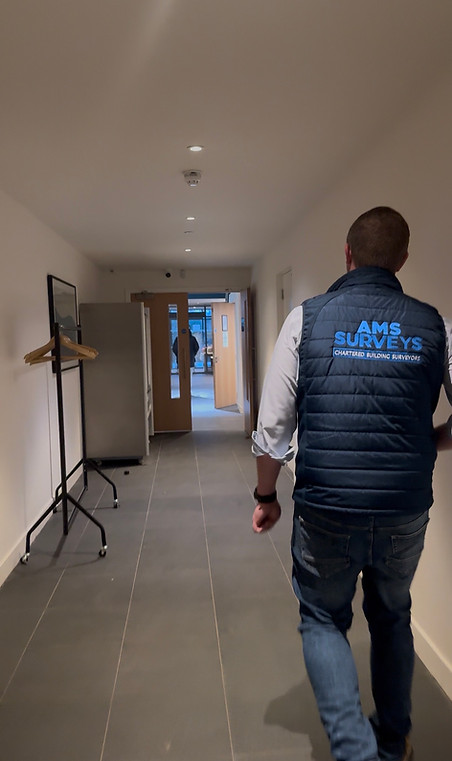
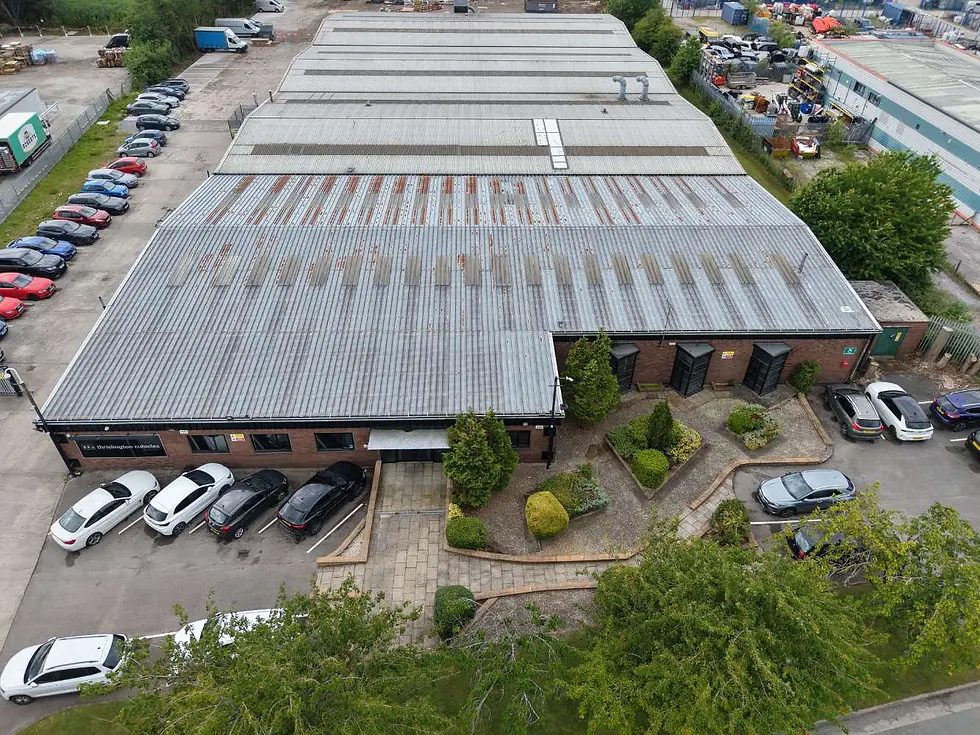
FROM BUILDING INSPECTION TO ACTIONABLE ADVICE IN CAMBRIDGE
The Cambridge report is prepared around the building, the transaction and the decisions the client must make.
A concise executive summary identifying the principal condition, transaction and occupation risks for the Cambridge instruction
Element-by-element findings covering the accessible structure, roof, façades, interiors, external areas and visible building services, with emphasis on fabric and roof condition, visible structure, moisture, specialist service interfaces, access, operational sensitivity, conservation implications and the timing of major replacements
Photographic evidence cross-referenced to the relevant defects and locations
A distinction between urgent defects, short-term repairs, planned maintenance and longer-term renewal
Advice on further investigations, opening-up, testing or specialist reports where visual inspection cannot provide certainty, particularly where specialist fit-out and continuous occupation can make access planning and clear identification of follow-up investigations essential
Points for the client’s legal adviser, including documents, approvals, warranties, leases and maintenance responsibilities to verify
Budget-aware recommendations that can support negotiation, acquisition decisions, lease discussions or asset planning
The result is a proportionate commercial record that can be used for negotiation, legal enquiries, repair planning, budgeting and future asset management.
QUICK BOOKING AND TURNAROUND
Our Commercial Building Surveyors operate across England and Wales, with strong regional coverage in Liverpool, Manchester, Cheshire, Lancashire, Derbyshire, Shropshire and North Wales.
Bookings are subject to availability, which may change frequently. Clients can typically expect to finalise their reservations within 10 working days. To minimise any potential delays, we recommend making your bookings promptly.
COMMERCIAL BUILDING SURVEY FAQs
What Is A Commercial Building Survey?
A Commercial Building Survey is a detailed inspection of a commercial property carried out by a qualified building surveyor. It assesses the building’s construction, condition and visible defects, helping purchasers, investors, landlords and occupiers understand potential risks before making important property decisions.
The survey may cover offices, shops, warehouses, industrial units, hospitality premises, healthcare buildings, educational properties and mixed-use developments.
Why Do I Need A Commercial Building Survey?
A Commercial Building Survey can help identify defects, maintenance liabilities and potentially expensive repairs before you purchase, lease, occupy or invest in a property.
The findings can support negotiations, budgeting and future maintenance planning. They can also help you decide whether further specialist investigations are required before completing a transaction.
What Does A Commercial Building Survey Include?
The inspection will usually consider the main building elements, including:
-
Roof coverings, roof structures and rainwater goods
-
External walls, cladding, windows and doors
-
Internal walls, ceilings and floors
-
Signs of structural movement, cracking or distortion
-
Dampness, condensation and timber defects
-
Drainage arrangements, where visible
-
Building services, based on a visual inspection
-
Fire safety and accessibility observations
-
Health and safety concerns
-
Maintenance requirements and repair priorities
-
Evidence of alterations, extensions or previous repairs
The precise scope will depend on the type, size, age and complexity of the commercial property.
UNDERSTANDING THE FABRIC, USE AND LIABILITIES OF CAMBRIDGE BUILDINGS
Cambridge commercial property reflects its economy, history and patterns of redevelopment. The local stock includes laboratories, research buildings, offices, university and college property, shops, hotels, education premises and modern technology campuses. Because sensitive historic buildings and service-intensive research property require different survey approaches within a compact and constrained city, buildings that appear similar from the street can carry very different repair, maintenance and occupation risks.
Common survey concerns include lead and roof drainage defects, masonry weathering, service penetrations, plant loading, water ingress around glazed areas, ageing laboratory fit-out, restricted access and undocumented alterations. A Commercial Building Survey reviews these matters in context rather than assuming every imperfection has the same significance. The surveyor considers the age and form of construction, the effect of alterations, signs of water movement or structural distress, maintenance access and the way the building is currently occupied. The central priorities are fabric and roof condition, visible structure, moisture, specialist service interfaces, access, operational sensitivity, conservation implications and the timing of major replacements.
Local access is supported by Cambridge and Cambridge North stations, guided bus routes and principal roads serving the city and surrounding science parks, with recognisable commercial and civic context around King’s Parade, the university colleges, the Backs, the River Cam and Cambridge Science Park. Where the visual inspection cannot resolve an issue, the report identifies the evidence still required and who should provide it. This is particularly important because specialist fit-out and continuous occupation can make access planning and clear identification of follow-up investigations essential. AMS Surveys can also develop the findings into a Schedule of Condition, focused Commercial Defect Survey, repair specification, tender package, contract administration or project monitoring service.

REGULATED AND PARTNERED WITH


