


%204K%20AMS%20SURVEYS%20LOGO.png)
COMMERCIAL BUILDING SURVEYS IN WINCHESTER
CLEAR COMMERCIAL PROPERTY CONDITION ADVICE IN WINCHESTER
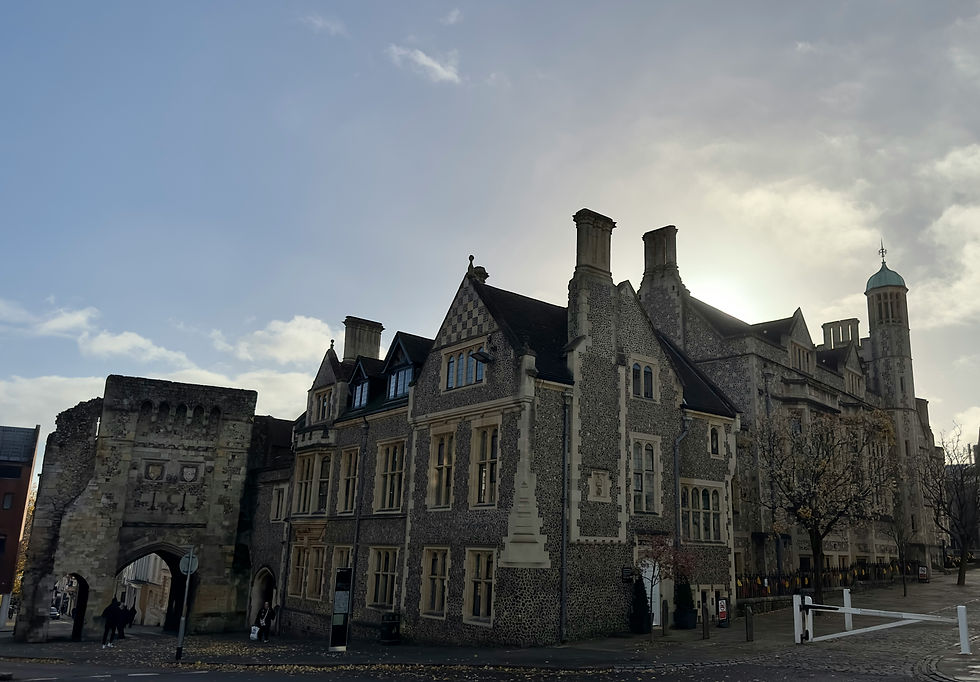
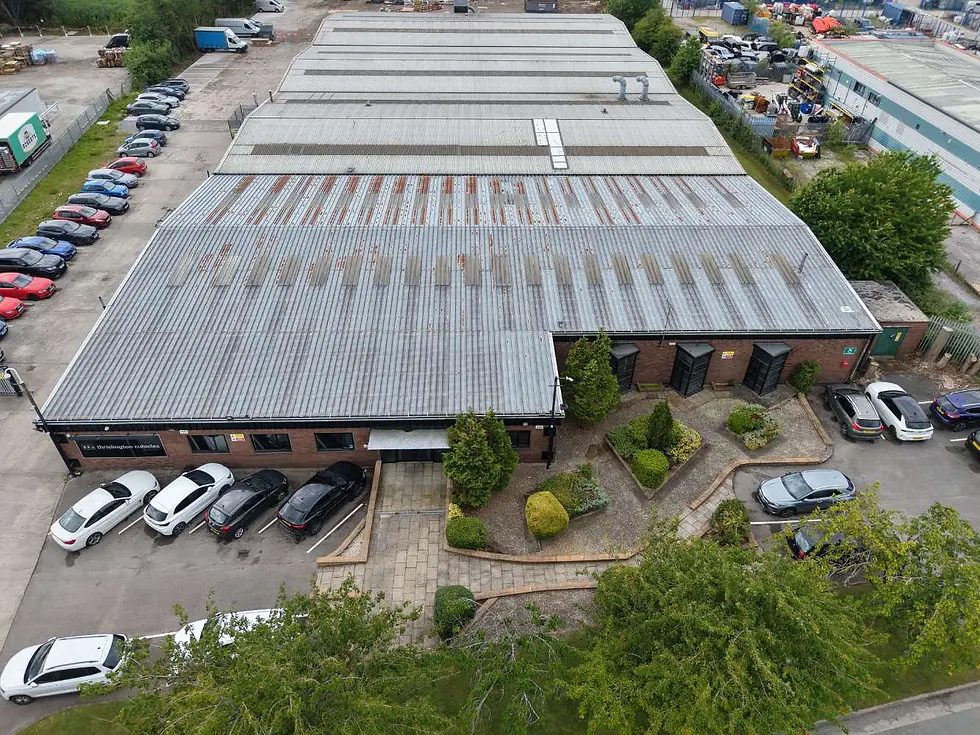
Commercial property across Winchester varies widely in age, construction and intensity of use. The local stock includes historic shops and offices, hotels, education buildings, public property, modern offices, retail premises and light industrial units. Here, sensitive historic buildings and compact streets are balanced by modern employment areas around Winnall and the city approaches. The survey therefore focuses on traditional fabric, roofs, visible structure, moisture, access, previous alterations, commercial occupation, repair obligations and phased maintenance.
NEED A COMMERCIAL BUILDING SURVEYOR?
Commercial Building Surveyors provide comprehensive assessments of commercial properties to evaluate their condition and identify necessary repairs. Our expert surveys not only highlight existing issues but also estimate the costs involved, ensuring you make informed decisions about your investment. Trust us to deliver thorough, reliable insights that help you maintain the value and safety of your property.
REVIEWS FROM INDIVIDUALS JUST LIKE YOU

WHEN CLIENTS COMMISSION A COMMERCIAL BUILDING SURVEY IN WINCHESTER
Commercial Building Surveys in Winchester are commonly commissioned before acquisition, lease commitment, refinancing, refurbishment or the preparation of a planned maintenance budget. Representative instructions include the purchase or lease of a historic shop, office, hotel or mixed-use property; a condition survey for education, public or institutional buildings; and a pre-acquisition or maintenance review for an office, retail or light industrial building in Winnall or the wider city. These projects may involve owner-occupiers, investors, developers, landlords, tenants, managing agents, charities, schools or facilities teams who need an independent view before accepting cost or liability.
Across Winchester historic centre, Winnall, Weeke, Hyde, Stanmore, Badger Farm and nearby Hampshire locations, the Building Surveyor considers how the property has been constructed, altered and maintained. Particular attention is given to clay tile and slate defects, lead gutter leakage, flint and brick deterioration, damp, timber decay, movement, restricted access and flat roof or cladding defects on later buildings. In Winchester, traditional materials and later alterations must be assessed together so that repair advice remains compatible and proportionate. The report relates visible defects to the client’s intended use, identifies where records or specialist tests are still required and avoids presenting concealed conditions as confirmed facts.
PRACTICAL CONDITION AND RISK ADVICE FOR COMMERCIAL PROPERTY IN WINCHESTER
The Winchester report is prepared around the building, the transaction and the decisions the client must make.
A commercial overview of condition, likely liabilities and matters capable of affecting occupation or value for the Winchester instruction
Inspection findings for roofs, walls, windows, structural elements, internal finishes, common parts and external areas where accessible, with emphasis on traditional fabric, roofs, visible structure, moisture, access, previous alterations, commercial occupation, repair obligations and phased maintenance
Defect photographs with explanations of likely cause, consequence and recommended response
A prioritised schedule of repair and maintenance actions
Recommendations for specialist structural, mechanical, electrical, drainage, fire, asbestos or environmental advice where appropriate, particularly where traditional materials and later alterations must be assessed together so that repair advice remains compatible and proportionate
Matters to raise before contract or lease completion, without presenting legal opinion as part of the survey
Optional follow-on support for schedules of condition, dilapidations, defect investigation or project management
The result is a proportionate commercial record that can be used for negotiation, legal enquiries, repair planning, budgeting and future asset management.
QUICK BOOKING AND TURNAROUND
Our Commercial Building Surveyors operate across England and Wales, with strong regional coverage in Liverpool, Manchester, Cheshire, Lancashire, Derbyshire, Shropshire and North Wales.
Bookings are subject to availability, which may change frequently. Clients can typically expect to finalise their reservations within 10 working days. To minimise any potential delays, we recommend making your bookings promptly.
COMMERCIAL BUILDING SURVEY FAQs
What Is A Commercial Building Survey?
A Commercial Building Survey is a detailed inspection of a commercial property carried out by a qualified building surveyor. It assesses the building’s construction, condition and visible defects, helping purchasers, investors, landlords and occupiers understand potential risks before making important property decisions.
The survey may cover offices, shops, warehouses, industrial units, hospitality premises, healthcare buildings, educational properties and mixed-use developments.
Why Do I Need A Commercial Building Survey?
A Commercial Building Survey can help identify defects, maintenance liabilities and potentially expensive repairs before you purchase, lease, occupy or invest in a property.
The findings can support negotiations, budgeting and future maintenance planning. They can also help you decide whether further specialist investigations are required before completing a transaction.
What Does A Commercial Building Survey Include?
The inspection will usually consider the main building elements, including:
-
Roof coverings, roof structures and rainwater goods
-
External walls, cladding, windows and doors
-
Internal walls, ceilings and floors
-
Signs of structural movement, cracking or distortion
-
Dampness, condensation and timber defects
-
Drainage arrangements, where visible
-
Building services, based on a visual inspection
-
Fire safety and accessibility observations
-
Health and safety concerns
-
Maintenance requirements and repair priorities
-
Evidence of alterations, extensions or previous repairs
The precise scope will depend on the type, size, age and complexity of the commercial property.
ASSESSING COMMERCIAL PROPERTY ACROSS WINCHESTER
Winchester commercial property reflects its economy, history and patterns of redevelopment. The local stock includes historic shops and offices, hotels, education buildings, public property, modern offices, retail premises and light industrial units. Because sensitive historic buildings and compact streets are balanced by modern employment areas around Winnall and the city approaches, buildings that appear similar from the street can carry very different repair, maintenance and occupation risks.
Common survey concerns include clay tile and slate defects, lead gutter leakage, flint and brick deterioration, damp, timber decay, movement, restricted access and flat roof or cladding defects on later buildings. A Commercial Building Survey reviews these matters in context rather than assuming every imperfection has the same significance. The surveyor considers the age and form of construction, the effect of alterations, signs of water movement or structural distress, maintenance access and the way the building is currently occupied. The central priorities are traditional fabric, roofs, visible structure, moisture, access, previous alterations, commercial occupation, repair obligations and phased maintenance.
Local access is supported by Winchester railway station, the M3 and A34, with recognisable commercial and civic context around Winchester Cathedral, the Great Hall, the cathedral close and the historic city centre. Where the visual inspection cannot resolve an issue, the report identifies the evidence still required and who should provide it. This is particularly important because traditional materials and later alterations must be assessed together so that repair advice remains compatible and proportionate. AMS Surveys can also develop the findings into a Schedule of Condition, focused Commercial Defect Survey, repair specification, tender package, contract administration or project monitoring service.

REGULATED AND PARTNERED WITH


