Drone Roof Survey for Homebuyers: When Is It Worth Adding to a House Survey?
A roof can represent one of the largest repair liabilities in a house purchase, yet it is often the part of the building that a buyer can see least clearly. Binoculars and ground-level observations may provide a useful overview, but chimneys, valleys, rear slopes, parapets and flat-roof outlets can remain partly or wholly hidden.

A drone roof survey can close part of that evidence gap by providing high-resolution images from safe viewpoints. It is not, however, a magic substitute for building-surveying judgement or an internal roof inspection. The value lies in combining the imagery with an understanding of construction, weathering, moisture paths and the limits of what the camera can prove.
What is a drone roof survey?
A drone roof survey is a planned external inspection using a remotely piloted aircraft to photograph or film roof elements that are difficult to view safely from the ground. The output should be more than a folder of aerial photographs. A useful report identifies locations, describes visible evidence, distinguishes defects from normal weathering and explains which findings require repair or further investigation.
AMS SURVEYS provides drone roof surveys and roof inspections for houses and other property types. The inspection method is selected around the question being asked, the building and the site constraints rather than using a drone simply because one is available.
UK Civil Aviation Authority drone guidance sets the operating framework for drones. A competent operator must plan the flight, control the aircraft safely, respect the applicable airspace and separation rules, and decide whether the location or conditions prevent a safe flight. Poor weather, restricted airspace, crowds, neighbouring land or a confined urban site may require a different inspection method.
When does aerial inspection add useful evidence?
The roof is not adequately visible from accessible areas
Terraces, extensions, dormers, valley gutters and multi-level additions can hide important junctions. A drone can often obtain oblique and overhead views of these areas without the cost and delay of erecting access equipment solely for an initial inspection. That can be particularly useful where a purchase timetable is short.
There are signs of water entry or storm damage
Ceiling staining, damp roof timbers, displaced coverings seen from the garden or a recent storm may justify targeted aerial evidence. Images can help trace plausible external routes such as failed flashings, cracked tiles, open ridge details or blocked outlets. Internal evidence remains important because water can travel before appearing inside.
The property has complex or high-risk roof details
Tall chimneys, parapets, lead-lined valleys, concealed gutters, rooflights and several changes in level create more junctions where defects can develop. Older and altered houses may also contain repairs made with incompatible materials. In these cases, a series of location-based photographs can materially improve the surveyor's explanation of risk.
The main home survey recommends further investigation
RICS home survey guidance explains that a survey may recommend further investigation where part of a building is hidden or inaccessible. Buyers should agree the concern and required output before commissioning extra work. A Level 3 Building Survey may already include a more extensive assessment, but the terms of engagement should confirm whether drone inspection is included or optional.

What a drone roof survey can show
Slipped, cracked, missing or uneven roof coverings and local patch repairs.
Deteriorated ridge, hip, verge and eaves details.
Open flashings, defective abutments and vulnerable chimney junctions.
Blocked or damaged gutters, valleys and outlets, including signs of ponding.
Defects to rooflights, vents, flues, parapets and high-level masonry.
A photographic baseline that can help specify access or obtain repair quotations.
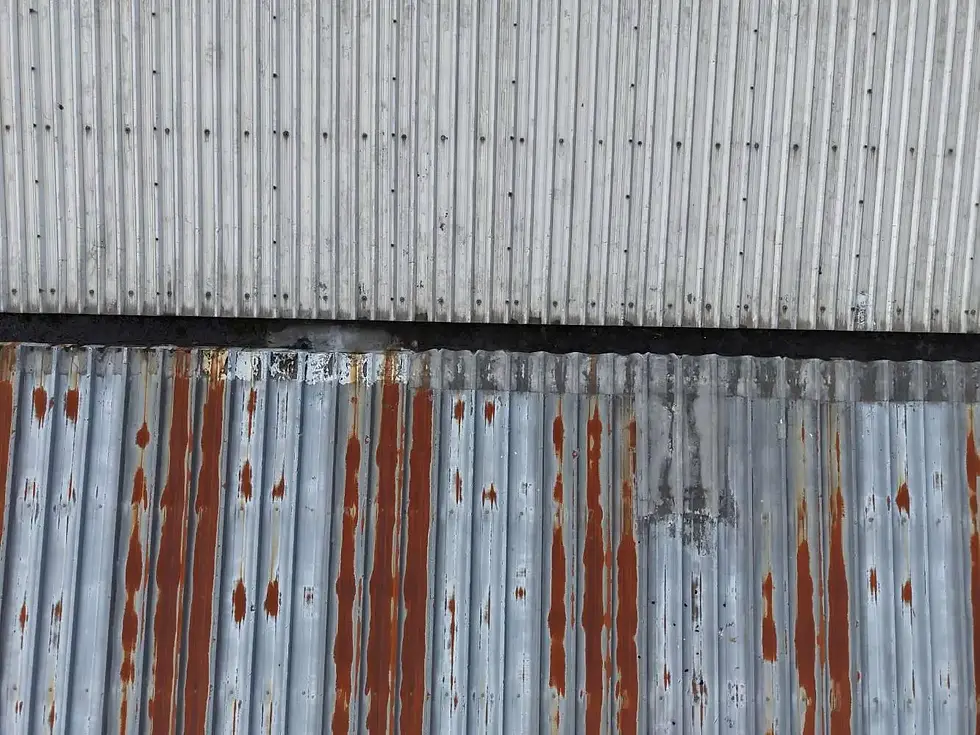
The report should separate confirmed visible defects from suspected causes. A lifted flashing may be visible; the condition of timber behind it is not. Moss may indicate prolonged dampness or slow drainage, but its presence alone does not establish whether the underlay or battens have failed.
What it cannot establish
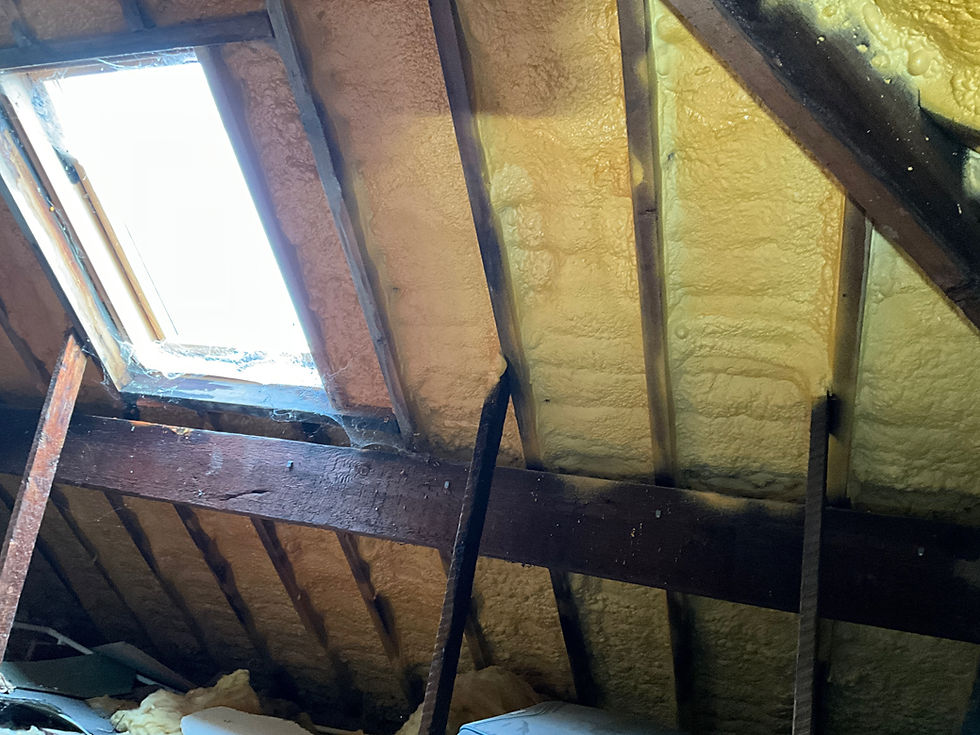
A drone cannot lift tiles, inspect beneath membranes, test fixings or view a concealed roof structure. It normally cannot establish the condition of rafters, purlins, battens, underlay, insulation or hidden wall plates. It also cannot reliably diagnose an internal leak without relating exterior evidence to the loft, ceilings, moisture pattern and rainfall history.
Thermal imagery can be useful for some carefully controlled investigations, but it is not an automatic diagnosis. Surface temperature patterns are affected by weather, heating, solar gain, materials and ventilation. Where thermal work is proposed, the purpose, environmental conditions and interpretation should be defined in advance.
How to brief the survey
Provide the address, property type and purchase timescale.
Share the main survey report, estate-agent particulars and any seller information about roof work.
Identify the decision you need to make, such as whether to proceed, investigate further or obtain repair quotations.
Ask which roof areas will be covered and what could prevent the flight.
Confirm whether the output includes annotated images, defect priorities and recommendations.
Arrange access to the loft where internal correlation is necessary and available.
Using the findings before exchange
Read the drone report alongside the wider home survey and legal information. Ask the surveyor which matters are urgent, which are maintenance items and which require closer access or specialist testing. If repairs may be material to the purchase, obtain a properly scoped quotation rather than relying on an image alone or a broad allowance.
The AMS home survey checklist explains the questions to raise before and after an inspection. Your conveyancer should also check approvals, guarantees and ownership or access issues affecting shared roofs, chimneys and party structures.
Frequently asked questions
Can a drone roof survey replace a full house survey?
No. A drone roof survey records visible high-level external features, while a house survey considers the property as a whole. The two can complement one another, but aerial imagery cannot assess concealed roof construction, loft conditions, insulation, internal moisture or structural details hidden beneath the covering.
When should a buyer request a drone roof survey?
It is useful when roof slopes, valleys, chimneys, parapets or gutters cannot be seen adequately from ground level, when access is unsafe, or when the main survey identifies a high-level concern that needs clearer visual evidence before exchange.
What defects can a drone roof inspection identify?
It may identify slipped, broken or missing coverings, failed flashings, open joints, damaged chimney details, blocked gutters, ponding, defective rooflights and visible deterioration to parapets or high-level masonry. It cannot confirm what is concealed below the surface.
Does a drone roof survey guarantee that the roof will not leak?
No. A survey is evidence of visible condition at the inspection date, not a guarantee. Weather, access, vegetation, adjoining structures and concealed construction can limit the inspection, and suspected defects may still require close access, opening-up or internal investigation.
Get roof evidence you can use
AMS SURVEYS combines drone imagery with Chartered Building Surveying and Building Engineering expertise. We inspect homes across Liverpool and Merseyside, Greater Manchester, Cheshire, Lancashire, North Wales, Leeds, Sheffield, Stoke and the wider North, with wider UK coverage subject to the instruction. Send the property details and the concern you need to resolve so we can recommend the proportionate inspection scope.