


%204K%20AMS%20SURVEYS%20LOGO.png)
HERITAGE STATEMENTS AND IMPACT ASSESSMENTS IN BIRMINGHAM
CLEAR HERITAGE ADVICE FASTER PLANNING PROGRESS IN BIRMINGHAM
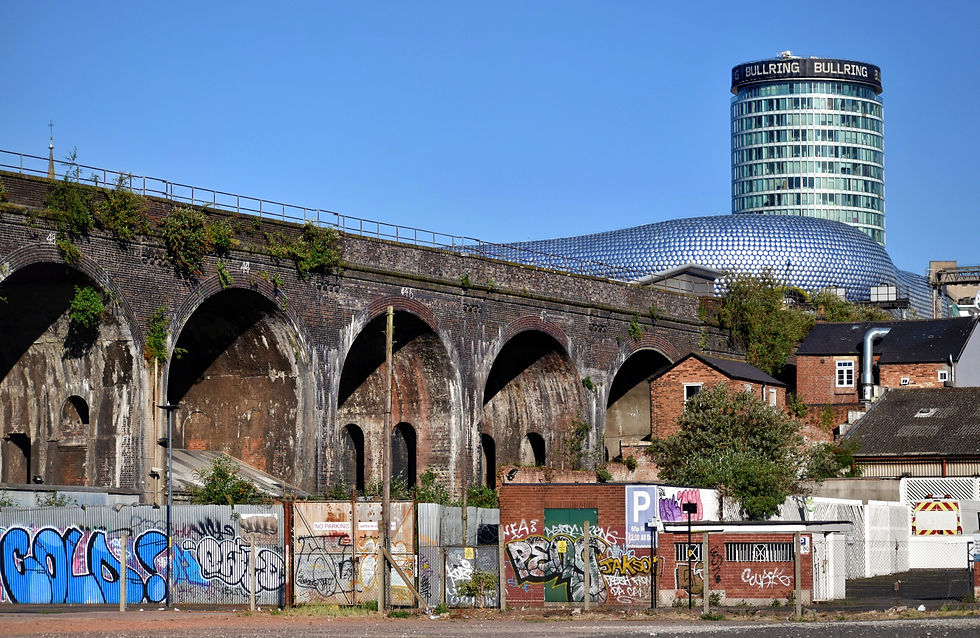
Where proposed work may affect a heritage asset in Birmingham, the planning evidence needs to connect history, fabric, setting and design. The local heritage context is a city with Jewellery Quarter workshops, canal and industrial heritage, Victorian civic buildings, historic suburbs and significant post-war architecture.
DO YOU NEED A HERITAGE STATEMENT OR HERITAGE IMPACT ASSESSMENT FOR PLANNING?
You may need a Heritage Statement where proposed works affect a listed building, conservation area, locally listed historic property or the setting of a heritage asset. The Local Planning Authority may require an assessment of the asset's significance and the impact of the proposed works as part of the planning or Listed Building Consent application.
REVIEWS FROM INDIVIDUALS JUST LIKE YOU

SIGNIFICANCE AND IMPACT REPORTING ACROSS BIRMINGHAM
In Birmingham, heritage planning reports commonly accompany proposals for repair, conversion, extension, altered access, services, energy improvements or nearby development. Where the asset includes small workshop plans, courtyards and industrial ranges and civic interiors, the report records why those elements matter and how the submitted scheme would change the way they are experienced or understood.
The assessment is also useful before an application is finalised. Early review can expose a weak assumption, identify a less harmful detail or show where additional survey or historic research is needed, reducing the risk of inconsistent drawings and heritage justification.
Applications can involve Jewellery Quarter workshops, canal-side and industrial buildings, Victorian civic and commercial property and listed post-war and modernist structures, where adaptive reuse, retained industrial layouts, complex servicing, regeneration pressure and recognition of both nineteenth and twentieth-century significance may influence the acceptability of change. AMS Surveys prepares Heritage Statements and Heritage Impact Assessments for owners, architects and developers who need a defensible assessment of significance, setting and likely effect. The report is scaled to the proposal, whether it concerns conversion of a workshop or factory, repair of a Victorian civic or commercial building or a wider development affecting the asset’s surroundings. The main Heritage Statements hub remains the complete explanation of methodology and service scope, while this page concentrates on the planning and conservation issues most relevant to Birmingham and nearby areas including Solihull, Coventry, Wolverhampton and West Bromwich.

SIGNIFICANCE, EFFECTS AND MITIGATION FOR BIRMINGHAM PROPOSALS
The scope for a Birmingham Heritage Statement or Heritage Impact Assessment is matched to the asset and the proposal.
A site-specific account of why Jewellery Quarter workshops and canal-side and industrial buildings contribute to the heritage of Birmingham
A proportionate significance assessment focused on the elements genuinely affected by the works
An impact schedule or narrative that distinguishes beneficial, neutral and adverse consequences
Consideration of materials, details, views and setting, including the behaviour of cast iron and steel, stone dressings and architectural concrete
Mitigation that is linked to drawings, specifications or project commitments rather than broad conservation language
References and conclusions that allow the decision-maker to follow the evidence and professional reasoning
The completed report should make the significance, effects and mitigation understandable without duplicating the architect’s design statement or the technical detail of a building survey.
QUICK BOOKING AND TURNAROUND
Our Heritage Consultants operate across England and Wales, with strong regional coverage in Liverpool, Manchester, Cheshire, Lancashire, Derbyshire, Shropshire and North Wales.
Bookings are subject to availability, which may change frequently. Clients can typically make reservations as soon as possible to minimise any potential delays; we recommend making your bookings promptly. We can discuss timescales with you, particularly where planning departments have issued a deadline for submission.
HERITAGE STATEMENT FAQs
What Is A Heritage Statement Or Heritage Impact Assessment?
A Heritage Statement or Heritage Impact Assessment explains the significance of a historic building, conservation area or other heritage asset and assesses how proposed works could affect its character, appearance and heritage significance. The assessment may consider listed buildings, locally listed buildings, conservation areas, scheduled monuments and the setting of nearby heritage assets.
Why Do I Need A Heritage Statement Or Heritage Impact Assessment?
A Heritage Statement or Heritage Impact Assessment may be required to support a planning or Listed Building Consent application where proposed works could affect a designated or non-designated heritage asset. It helps the Local Planning Authority understand the significance of the heritage asset, the potential impact of the proposals and how that impact has been avoided, minimised or appropriately mitigated.
When Is A Heritage Statement Or Heritage Impact Assessment Required?
They are commonly required for alterations, extensions, conversions, repairs or development affecting listed buildings, conservation areas and other historic properties. They may also be required where development is close to a heritage asset and could affect its setting. The exact scope will depend on the property, the proposed works and the requirements of the Local Planning Authority.
Who Prepares A Heritage Statement Or Heritage Impact Assessment?
A Heritage Statement or Heritage Impact Assessment should be prepared by someone with appropriate knowledge and experience of historic buildings, architectural significance and the planning system. AMS SURVEYS provides heritage assessments for residential, commercial and historic properties, combining building surveying expertise with an understanding of building conservation, traditional construction and heritage significance.
What Is The Difference Between A Heritage Statement And A Heritage Impact Assessment?
The terms are sometimes used interchangeably, although the required level of detail can vary. A Heritage Statement will typically identify and explain the significance of the affected heritage asset, while a Heritage Impact Assessment generally provides a more detailed assessment of how a proposed development or alteration may affect that significance and its setting.
Who Pays For A Heritage Statement Or Heritage Impact Assessment?
The cost is normally paid by the property owner, developer or applicant seeking planning permission or Listed Building Consent. The scope and fee will depend on the significance of the heritage asset, the complexity of the proposals, the extent of research required and whether a site inspection is necessary.
HOW LOCAL CHARACTER SHAPES IMPACT ASSESSMENT IN BIRMINGHAM
Heritage Statements in Birmingham often need to address both the building and its surroundings. The local context, a city with Jewellery Quarter workshops, canal and industrial heritage, Victorian civic buildings, historic suburbs and significant post-war architecture, means that setting can involve street pattern, roofscape, designed landscape, industrial relationships, landmark views or the grouping of modest buildings. The relevant setting is defined by how it contributes to significance, not by a fixed distance around the site.
Physical change also needs careful analysis. Work to courtyards and industrial ranges, civic interiors and canal-side structures, or replacement of red brick and terracotta, cast iron and steel and stone dressings, can alter evidential and aesthetic value even when the intervention appears small on a drawing. Conversely, a well-informed repair or removal of harmful later work may create a heritage benefit.
Our Birmingham reports explain these distinctions in plain professional language. They can support pre-application advice, planning permission and listed building consent, and they are structured to complement rather than repeat the architect’s information. Where the proposal develops, the same local significance framework can be carried through a Historic Building Survey, Historic Building Recording or wider Heritage Consultant appointment, strengthening consistency across the project.
The Jewellery Quarter’s small workshops, canal-side industry, Victorian civic buildings and protected post-war architecture require both nineteenth and twentieth-century significance to be recognised within the same urban regeneration context. The report may need to explain significance across very different periods, particularly where Victorian workshop character and later modernist design are both relevant.

REGULATED AND PARTNERED WITH


