


HERITAGE STATEMENTS AND IMPACT ASSESSMENTS IN LIVERPOOL
CLEAR HERITAGE ADVICE FASTER PLANNING PROGRESS IN LIVERPOOL
Heritage impact assessment in Liverpool requires more than a generic description of an old building. The local heritage context is a maritime city with Georgian streets, mercantile offices, dock warehouses, Victorian civic buildings, industrial sites and extensive conservation areas.
DO YOU NEED A HERITAGE STATEMENT OR HERITAGE IMPACT ASSESSMENT FOR PLANNING?
You may need a Heritage Statement where proposed works affect a listed building, conservation area, locally listed historic property or the setting of a heritage asset. The Local Planning Authority may require an assessment of the asset's significance and the impact of the proposed works as part of the planning or Listed Building Consent application.
REVIEWS FROM INDIVIDUALS JUST LIKE YOU

WHEN A HERITAGE STATEMENT IS NEEDED IN LIVERPOOL
Typical instructions in Liverpool include conversion of a warehouse or dock-related building; repair of a Georgian or Victorian property; alteration of a listed office, hotel or cultural building; and development affecting a historic streetscape or waterfront asset. The report must identify the heritage asset, explain the part of its significance affected by the proposal and distinguish direct physical change from effects on character, views or setting.
For work across Liverpool and nearby areas including Wirral, Southport, St Helens and Birkenhead, the assessment may support planning permission, listed building consent, pre-application discussion or design revision. It can also address cumulative alteration, previous loss of fabric and opportunities to reveal or reinforce local character rather than treating mitigation as a final paragraph added after the design is complete.
Applications can involve Georgian houses and terraces, mercantile and civic buildings, dock and warehouse structures and Victorian schools, churches and industrial property, where large masonry buildings, historic iron and timber, waterfront exposure, successive commercial alterations and the need to retain significance during regeneration may influence the acceptability of change. AMS Surveys prepares Heritage Statements and Heritage Impact Assessments for owners, architects and developers who need a defensible assessment of significance, setting and likely effect. The report is scaled to the proposal, whether it concerns conversion of a warehouse or dock-related building, repair of a Georgian or Victorian property or a wider development affecting the asset’s surroundings. The main Heritage Statements hub remains the complete explanation of methodology and service scope, while this page concentrates on the planning and conservation issues most relevant to Liverpool and nearby areas including Wirral, Southport, St Helens and Birkenhead.
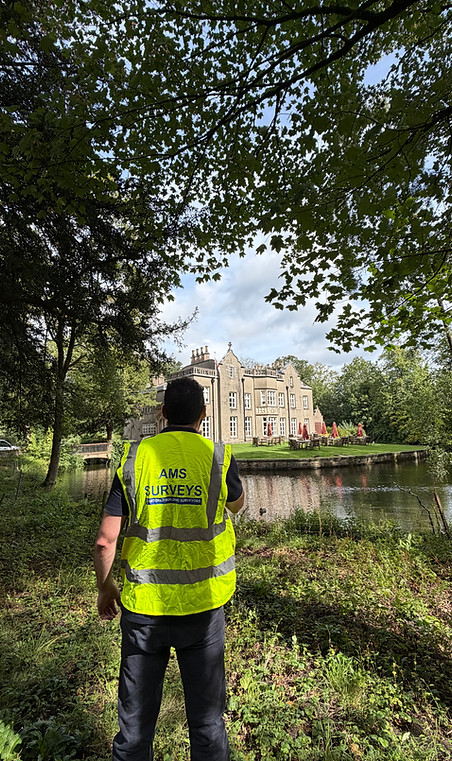

WHAT A LIVERPOOL HERITAGE STATEMENT CAN INCLUDE
The scope for a Liverpool Heritage Statement or Heritage Impact Assessment is matched to the asset and the proposal.
Description of the Liverpool asset, its setting and the part of the site affected by the proposal
Historic development and relevant evidence for features such as Georgian plan forms and mercantile offices and banking halls
Assessment of architectural, historic, evidential and communal significance where relevant to the instruction
Clear description of the proposed works using the drawings and information supplied by the design team
Assessment of direct, indirect and setting effects, including issues associated with large masonry buildings, historic iron and timber, waterfront exposure, successive commercial alterations and the need to retain significance during regeneration
Avoidance, mitigation and enhancement measures, followed by a concise planning and conservation conclusion
The completed report should make the significance, effects and mitigation understandable without duplicating the architect’s design statement or the technical detail of a building survey.
QUICK BOOKING AND TURNAROUND
Our Heritage Consultants operate across England and Wales, with strong regional coverage in Liverpool, Manchester, Cheshire, Lancashire, Derbyshire, Shropshire and North Wales.
Bookings are subject to availability, which may change frequently. Clients can typically make reservations as soon as possible to minimise any potential delays; we recommend making your bookings promptly. We can discuss timescales with you, particularly where planning departments have issued a deadline for submission.
HERITAGE STATEMENT FAQs
What Is A Heritage Statement Or Heritage Impact Assessment?
A Heritage Statement or Heritage Impact Assessment explains the significance of a historic building, conservation area or other heritage asset and assesses how proposed works could affect its character, appearance and heritage significance. The assessment may consider listed buildings, locally listed buildings, conservation areas, scheduled monuments and the setting of nearby heritage assets.
Why Do I Need A Heritage Statement Or Heritage Impact Assessment?
A Heritage Statement or Heritage Impact Assessment may be required to support a planning or Listed Building Consent application where proposed works could affect a designated or non-designated heritage asset. It helps the Local Planning Authority understand the significance of the heritage asset, the potential impact of the proposals and how that impact has been avoided, minimised or appropriately mitigated.
When Is A Heritage Statement Or Heritage Impact Assessment Required?
They are commonly required for alterations, extensions, conversions, repairs or development affecting listed buildings, conservation areas and other historic properties. They may also be required where development is close to a heritage asset and could affect its setting. The exact scope will depend on the property, the proposed works and the requirements of the Local Planning Authority.
Who Prepares A Heritage Statement Or Heritage Impact Assessment?
A Heritage Statement or Heritage Impact Assessment should be prepared by someone with appropriate knowledge and experience of historic buildings, architectural significance and the planning system. AMS SURVEYS provides heritage assessments for residential, commercial and historic properties, combining building surveying expertise with an understanding of building conservation, traditional construction and heritage significance.
What Is The Difference Between A Heritage Statement And A Heritage Impact Assessment?
The terms are sometimes used interchangeably, although the required level of detail can vary. A Heritage Statement will typically identify and explain the significance of the affected heritage asset, while a Heritage Impact Assessment generally provides a more detailed assessment of how a proposed development or alteration may affect that significance and its setting.
Who Pays For A Heritage Statement Or Heritage Impact Assessment?
The cost is normally paid by the property owner, developer or applicant seeking planning permission or Listed Building Consent. The scope and fee will depend on the significance of the heritage asset, the complexity of the proposals, the extent of research required and whether a site inspection is necessary.
ASSESSING SIGNIFICANCE AND SETTING IN LIVERPOOL
Liverpool presents a distinctive assessment context because it is a maritime city with Georgian streets, mercantile offices, dock warehouses, Victorian civic buildings, industrial sites and extensive conservation areas. The significance of a property can therefore lie in individual fabric, group value, historic use, townscape, landscape relationships or the evidence of successive phases. For proposals involving Georgian houses and terraces, mercantile and civic buildings and dock and warehouse structures, the statement should identify the values that are actually engaged rather than describing every aspect of local history.
The impact assessment then tests the proposed work against that significance. Changes to Georgian plan forms, mercantile offices and banking halls and warehouse grids and loading features may have a direct physical effect, while height, massing, access, lighting or landscape change can alter setting. Materials such as Liverpool sandstone, historic brick and terracotta, cast iron and wrought iron and heavy timber floors and roofs also require accurate description because visual compatibility and technical performance can both affect the quality of the conservation response.
Our approach is to make the reasoning transparent. The report explains what is known, what was observed, what is proposed and why the resulting effect is considered acceptable or requires further mitigation. Where condition or construction cannot be understood from planning information alone, we direct the project to a Historic Building Survey. Where alteration may remove evidence, Historic Building Recording provides the permanent record. Heritage Consultants can coordinate the wider strategy.
Liverpool’s dock system, mercantile offices, Georgian streets, ropewalks and civic architecture connect individual buildings to maritime trade, warehousing, finance and a wider waterfront townscape. A convincing statement connects the proposal to maritime and mercantile significance, not only to the age or designation of the individual building.

REGULATED AND PARTNERED WITH


